
|
|||||||
|
Laboratory Balances |
|||||||
|
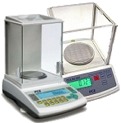
In our web page you will find laboratory balances of the best-known manufacturers. Laboratory balances are important for |
|||||||
|
- Laboratory Balances for weights in grams |
 |
||||||
|
- Laboratory Balances for weights in Newton |
 |
||||||
|
- PCE-JS 100 series Laboratory Balances |
 |
||||||
|
- PCE-JS 50 series Laboratory Balances |
 |
||||||
|
- PCE-JS 500 series Laboratory Balances |
 |
||||||
|
- PCE-BS series Laboratory Balances |
 |
||||||
|
- PCE-BT series Laboratory Balances |
 |
||||||
|
- PCE-HB series Laboratory Balances |
 |
||||||
|
- PCE-HB-M series Laboratory Balances |
|
||||||
|
- PCE-BSH 6000 series Laboratory Balances |
 |
||||||
|
- PCE-BSH 10000 series Laboratory Balances |
 |
||||||
|
- PCE-TSS series Laboratory Balances |
 |
||||||
|
- PCE-BDM series Laboratory Balances |
 |
||||||
|
- PCE-WS30 series Laboratory Balances |
 |
||||||
|
- PCE-PCS series Laboratory Balances |
 |
||||||
|
- PCE-BM C series Laboratory Balances |
 |
||||||
|
- PCE-DMS 200 series Laboratory Balances |
 |
||||||
|
- PCE-LSZ 200C series Laboratory Balances |
 |
||||||
|
- PCE-PM...T series Laboratory Balances |
 |
||||||
|
- PCE-LSM series Laboratory Balances |
 |
||||||
|
- PCE-LS series Laboratory Balances |
 |
||||||
| - PCE-ABZ 100C series Laboratory Balances (very good quality laboratory balances; 0 ... 100g/0.1 mg; RS-232) |
 |
||||||
|
- PCE-ABZ 200C series Laboratory Balances |
 |
||||||
|
- PCE-AB-C series Laboratory Balances |
 |
||||||
|
- PCE-AB 100 series Laboratory Balances |
 |
||||||
|
- PCE-AB 200 series Laboratory Balances |
 |
||||||
|
- PCE-MB 200 series Laboratory Balances |
 |
||||||
|
- PCE-MB 100 series Laboratory Balances |
 |
||||||
|
- PCE-MB 200 series Laboratory Balances |
 |
||||||
|
- PCE-HPS series Laboratory Balances |
 |
||||||
|
- PCE-TS series Laboratory Balances |
 |
||||||
|
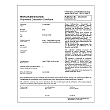
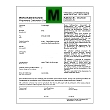
Many of laboratory balances are not only used in laboratories but they can be universally used in the professional sector. So, almost all laboratory balances have piece count function or percent calculation function (percentage function shows the variation in relation to the weight of the corresponding reference) In the web, you will be able to get official control certificates as well as calibration certificates (only for calibrated laboratory balances). Bellow, you can see some examples of the professional use of laboratory balances. |
|||||||
|
|||||||
|
Laboratory balances have become essential in the latest years even for small companies. Some years ago, laboratory balances were much more expensive than today. PCE-LSM series laboratory balances are very interesting thanks to the automatic function to determine density (with the help of a determination of density device). So, with PCE-LSM series laboratory balances you will be able to get results for 200 grams with a resolution of 0.001 grams, for 2,000 grams with a resolution of 0.01 grams and for 6,000 grams with a resolution of 0.5 grams. Nowadays, many of the companies have to be certified to meet the DIN ISO 9000 standard (quality management systems). Quality management are mainly carried out with the help of laboratory balances. To fulfill this requirement almost all digital laboratory balances have an interface to guarantee the making of protocols with the weighing details by means of a printer or a computer. |
|||||||
|
Verification: to meet the standard, balances must be verified when they are used for one of the following 1) in trade relationships, when the price of the product is determined by its weight; 2) to make medicines in pharmacy as well as detailed analysis in medical or pharmaceutical laboratories; 3) for Official activities such as determining rates or sanctions; 4) for production of packages. If you require additional information about verification of platform balances, or you are not sure whether you need a verified scale, you can contact your local authorized verification centre. Verification of laboratory balances, for those that can be verified, can be done when balances are ordered or they can be sent for a periodical verification. Once an official verification has been done laboratory balances cannot be recalibrated using an external calibration weight. The first verification is valid for two years, but each following validation is good for one year and must be done annually by the authorized verification centre. |
|||||||
|
If you wish to view or print a selection of laboratory balances from our catalogue, click the PDF symbol: |
|||||||
 UK customers +44(0) 23 809 870 30 /


 fuctions:
|
|
|
You are currently at: Home / measuring instruments and test equipment / balances / Laboratory Balances |
|
If you have any questions, call our offices on: |
