
|
||||
|
||||
|
- PCE-LSM series Densimeters |
  |
|||
|
- PCE-LS series Densimeters |
 |
|||
|
- PCE-ABZ 100C Densimeters |
 |
|||
|
- PCE-ABZ 200C series Densimeters |
 |
|||
|
- PCE-AB-C series Densimeters |
 |
|||
|
- PCE-AB series Densimeters |
|
|||
|
- H-300S
Densimeters |
  |
|||
|
- SG-ULTRA
Densimeters |

 |
|||
|
- SG-Ultra
Max Densimeters |
 |
|||
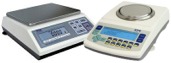
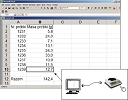
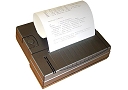
| Applications of use for densimeters are practically unlimited. Densimeters have a variety of optional accessories available, such as software with data cable and a thermal printer.
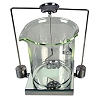
An easy way for measuring density in a laboratory consists of determining the the weight and the volume of the object and to make the following calculation: density [kg/m³] is equal to mass [kg] divided by volume [m³]. The volume of liquids is determined by normal means for determining volume. To perform this function you will require flasks, cylinders and pipettes. With solids, volume can be calculated taking into consideration its specific form, such as cubes. For complicated shapes, the object can be placed into a cylinder full of water. The change in the level of the liquid will indicate the real volume of the object. Measurement of density using hydrostatic densimeters If you wish to view or print the selection of densimeters from or catalogue, click on the PDF symbol |
||||
 UK customers +44(0) 23 809 870 30 /

|
|
|
You are currently at: Home / measuring instruments and test equipment / Densimeters |
|
If you have any questions, call our offices on: |
