
|
|||||||||||||||
|
Thermal Cameras Here you can see thermal cameras from this company:
Technical specifications for thermal cameras can be found at the following links: |
|||||||||||||||
|
Thermal Imaging Cameras for building application |
|||||||||||||||
|
-
PCE-TC
9 Thermal Cameras |
  |
||||||||||||||
|
Thermal Imaging Cameras for industrial application (electrical and mechanical maintenance) |
|||||||||||||||
|
- Thermal
Imaging Camera for electronics and mechanics PCE-PI160 |
 |
||||||||||||||
|
- Thermal
Imaging Cameras PCE-PI 400 / PI 450 |
 |
||||||||||||||
|
- Thermal
Imaging Cameras PCE-PI-200 / PI-230 |
 |
||||||||||||||
|
- PCE-TC
9 Thermal Cameras |
|
||||||||||||||
|
Thermal Imaging Cameras for industrial solutions and field application |
|||||||||||||||
|
- Thermal
Imaging Cameras Pyroview
160 L |
  |
||||||||||||||
|
- Thermal Imaging Cameras Pyroview 380L (professional thermal imaging cameras with 384 x 288 pixels, motor focus, professional software) |
|
||||||||||||||
|
Thermal Imaging Cameras for Firefighters |
|||||||||||||||
|
- F2-T
Thermal Cameras |
 |
||||||||||||||
|
|
|||||||||||||||
|
Infrared measurement consists of capturing an image to make visible the heat radiation from an object, invisible to the human eye. This measurement doesn´t require contact with the device and the camera can record events such as explosions, fires and the course of movements. Infrared measurements can be recorded to produce a scheme of temperature measurements of an area. Infrared images illustrate the heat emitted by objects, machines, buildings, etc. Thanks to thermal imaging you can have an idea about the loss of infrared heat or determine heat sources. To guarantee quality, thermal imaging is becoming more frequent as in installing insulation during the construction of a building. This allows to locate problems without causing damage to the building. Our thermal cameras are suitable for these situations.
|
|||||||||||||||
|
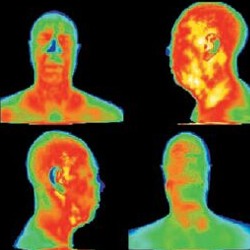
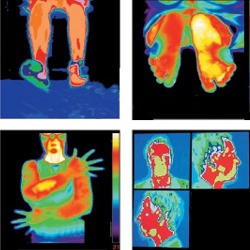
The PCE-TC 3 series thermal cameras are especially good at detecting patients with fever. These infrared cameras can measure the body temperature. Also in the field of medicine experiments thermal cameras are used. With these cameras, inflammations and other anomalies can be detected measuring the temperature of a particular area of the body to make them visible to the doctor and patient.
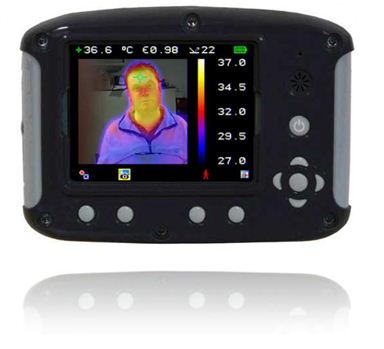
When winter arrives, it increases the transmission of influenza A in some places with a lot of people such as airports, transit stations, supermarkets, etc. One of the most characteristic symptoms of influenza is high fever. In some U.S. airports, thermal imaging cameras are used to check passengers to discover if they suffer any symptom of the virus H1N1 as well as other diseases. These thermal cameras can detect fever without any contact. Thermal cameras are like normal cameras but they can register light reflected by an object. Thermal cameras are heat sensitive devices which show images depending on their temperature, so thermal cameras are especially useful in dark environments. Thermal cameras display objects depending on their temperature, hotter objects are brighter. Thermal cameras use very sensitive systems which can measure temperatures up to a fraction of a degree. Thermal cameras were firstly used during the Severe Acute Respiratory Syndrome (SARS) in 2002 and 2003 in the airports of Singapore and China. Since then, thermal cameras have been continuously used. Although thermal cameras can detect high body temperature, they cannot detect human swine influenza. Any traveller exposed to any effort (running, carrying excessive weight, drinking alcoholic drinks together with an excessive heat) may present an increase in body temperature. Thermal cameras PCE-TC 2FC have a software which allows for the detection of any heat source. With the help of a temperature calibrator and programming it at 38ºC for example, you could check if the thermal cameras detect temperature accurately. The software of the thermal cameras emits a visible alarm to the PC when the thermal cameras detect a higher level of temperature. This way, a high accuracy is assured. These thermal cameras combine visible and thermal images to create a person’s “heat picture”. With this image you can see a display at the rear of the camera as in the standard digital cameras. A cursor automatically points the hottest area of the image, normally the person’s face. It is better to check people one by one. |
|||||||||||||||
|
|
|||||||||||||||
|
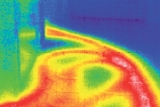
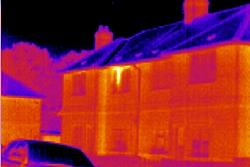
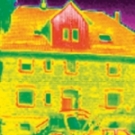
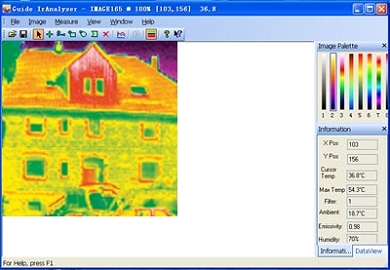
Some thermal cameras come with software for analysing and evaluating thermal images. Below, you can see a thermal image taken at the front of a house and the same image shown by the software. |
|||||||||||||||
|
|
|||||||||||||||
|
Thermal cameras are delivered with their corresponding software. |
|||||||||||||||
|
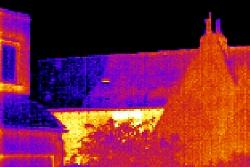
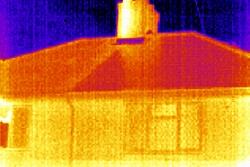
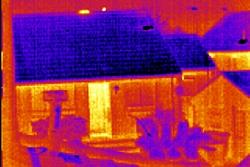
Thermal cameras were originally used within the military sector. When the technology of thermal cameras advanced, they started to be used in more fields of application military use, predictive maintenance, control of processes, detection and analysis of fire, inspection of floors, insulation, walls, etc as well as in medicine. Use of the thermal cameras within the industrial sector At purchasing a thermal camera, the customer should take into account: number of pixels, spectral sensitivity, sensor life, field of view, dynamic range, input power, mass and volume. |
|||||||||||||||
|
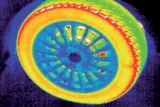
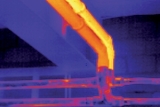
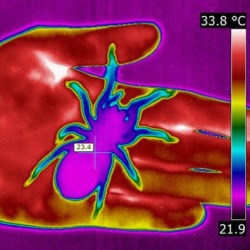
At the top, you can see a simulation with the thermal cameras: On one hand, we have an image of how human beings see objects with "visible light" and on the other hand how objects are seen through a thermal camera. That is because our eyes cannot detect infrared light. With the infrared light, human beings can get information which cannot detect at a glance. Thermal cameras provide information of an object temperature. When the object is hot, the infrared light is brighter and luminous. Thermal cameras show different colours to depict diverse temperatures. There is a colour scale next to the simulation to explain the process. At the following link you will find more information about the most used temperature units within the international system. |
|||||||||||||||
|
If you wish to view or print a selection of thermal cameras from our catalogue, click the PDF symbol. |
|||||||||||||||
 UK customers +44(0) 23 809 870 30 /


|
|
|
You are currently at: Home / measuring instruments and test equipment / Thermal Cameras |
|
If you have any questions, call our offices on: |
